
How I’m dealing with impostor syndrome in life with chronic illness
Somehow, after 10 years of symptoms, I still wonder if I made it all up
Written by |
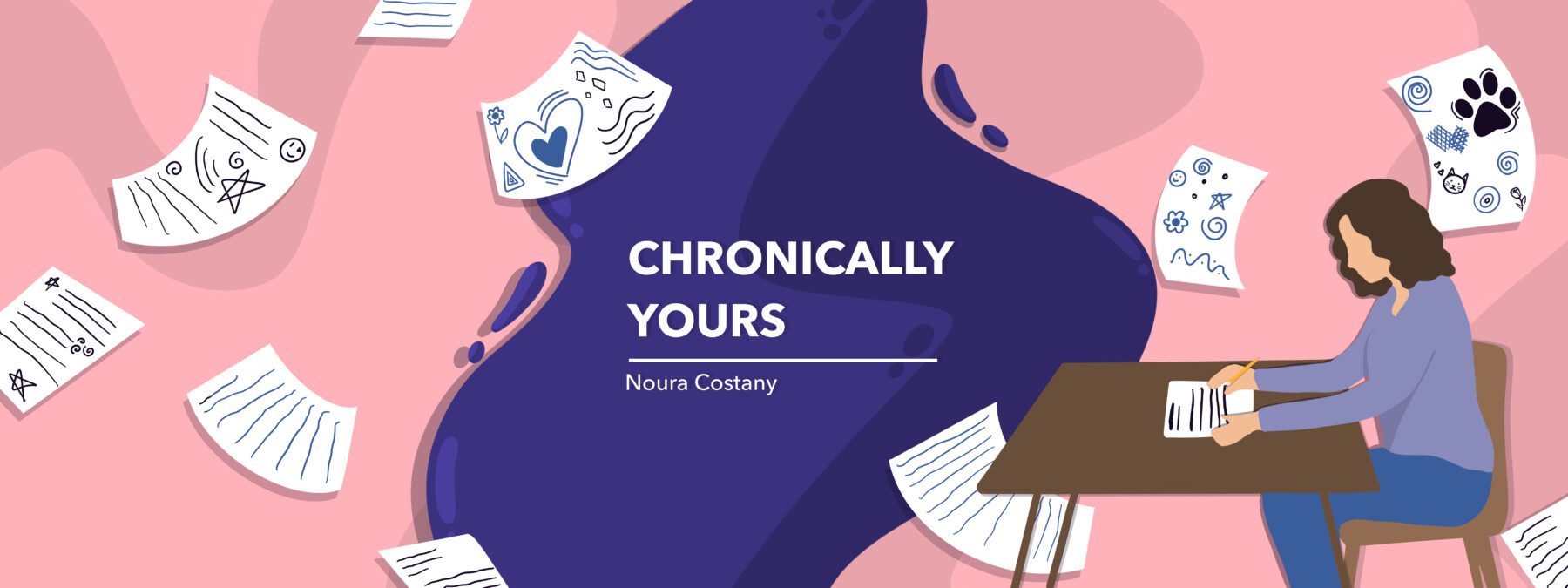




Despite achieving success, some people experience impostor syndrome — the feeling that they’re not good enough or haven’t earned it. They may feel like a fraud, like they’ve tricked people into believing they’re good at something. For those of us with chronic illness, impostor syndrome may cause us to wonder whether our symptoms are real or “all in our heads.”
I’ve struggled with this a lot, especially since it took me so long to get diagnosed with Cushing’s disease. My most recent experience with impostor syndrome was when my surgeon decided that I was not a good candidate for surgery. Even though my latest pituitary MRI showed spots that my team believes are tumors, there’s a chance they’re simply shadows. I had surgery to remove my first pituitary tumor in 2020, and the resulting changes to my pituitary gland could be causing these spots. Therefore, surgery isn’t worth the risk for me at this time.
But when I talked to my doctor, I had this trickling fear that he would somehow un-diagnose me with Cushing’s disease and take away my medication.
Of course, that didn’t happen. There was clear evidence of the disease when I was initially diagnosed in 2020, and during my recurrence, I’ve had every single symptom of it, and multiple lab results have shown high cortisol levels. But impostor syndrome isn’t logical.

Looking back
When I fought for my Cushing’s disease diagnosis, many people told me it was all in my head. I was told I had anxiety, that I was simply a bad eater, that I needed a reality check, and even that I was making it up. Part of the reason people said such things was that many of my symptoms weren’t visible or provable.
This led to ongoing impostor syndrome. I kept trying to convince myself that I wasn’t sick and that I was, in fact, making it up. I’d tell myself:
My legs are weak, but that could be associated with a lack of strength.
I have headaches, but that could be because I’m not taking care of myself.
I’ve gained weight, but that’s because I’ve been lazy.
I have acne and hair loss, but that could be due to …
And so on.
Then, of course, things worsened. I had horrible bone pain. My vision started to deteriorate. Getting out of bed each day was a struggle, and even simple tasks like brushing my teeth were challenging because I couldn’t hold my arms up for more than 30 seconds. That’s when I stopped doubting myself and decided to take action and seek a diagnosis.
I’m not making it up
Unfortunately, many doctors won’t make a diagnosis unless a patient fits perfectly into a box. That can lead to dismissal, self-doubt, and untreated pain. When family, friends, and even doctors don’t believe you’re sick, it makes an impression.
I’m lucky I now have a great team that trusts and listens to me, and that we can develop my treatment plan together. Even so, I tend to feel scared before every appointment that somehow, after 10 years of symptoms (including losing my period and my eyesight), and despite needing to use a wheelchair, have surgery, and take medications, I’ve made it all up. I’ve tricked people into believing I’m sick, and I’m doing it for attention.
I confided in a friend about these feelings last year, and she said something that stuck with me: “If you’re feeling all of these things when you are by yourself, it’s not for attention.” So, if you are dealing with impostor syndrome, keep this in mind. You’re not making it up. Trust yourself.
You can also follow my journey on TikTok and YouTube.
Note: Cushing’s Disease News is strictly a news and information website about the disease. It does not provide medical advice, diagnosis, or treatment. This content is not intended to be a substitute for professional medical advice, diagnosis, or treatment. Always seek the advice of your physician or other qualified health provider with any questions you may have regarding a medical condition. Never disregard professional medical advice or delay in seeking it because of something you have read on this website. The opinions expressed in this column are not those of Cushing’s Disease News or its parent company, Bionews, and are intended to spark discussion about issues pertaining to Cushing’s.

Leave a comment
Fill in the required fields to post. Your email address will not be published.