
Raising awareness of the mental health effects of Cushing’s disease
This awareness month, I'm shedding light on psychiatric symptoms
Written by |





Editor’s note: This story includes discussion of suicide. If you or someone you know needs help, the national suicide and crisis lifeline in the U.S. is available by calling or texting 988. There is also an online chat at 988lifeline.org. Internationally, find a suicide prevention helpline at findahelpline.com.
I’ve been living with Cushing’s disease for more than eight years, and I regularly work to raise awareness through my column, disability activism, and social media platforms. A big part of this involves sharing my story — my initial diagnosis in 2020, my symptoms, the surgery to remove my pituitary tumor, my Cushing’s recurrence, and how I’m managing today.
I believe our community is making progress, with more people becoming aware of this illness. However, in light of Cushing’s Disease Awareness Month, I want to talk about an aspect of the disease that’s often pushed aside: its effects on mental health.
When you’re chronically sick and seeking a diagnosis, your mental health is bound to take a hit due to the stress and uncertainty. Plus, Cushing’s disease affects hormone levels, which can result in psychiatric symptoms. I’m going to be vulnerable here in the hopes that others will feel less alone and more comfortable sharing their own mental health struggles.
I had been sick for years before I was diagnosed, and during that time, I experienced extreme rage. I cut off friends and got into fights. I didn’t just feel a little mad; I wanted to scream constantly and would lock myself in the bathroom to do so. I constantly had to step away from groups to calm down and avoid fighting people. Everything ticked me off. I’d dig my nails into my palms to keep from acting on my emotions.

Depression
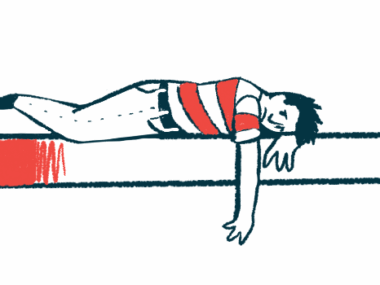
My depressive states come and go, and while they improve with treatment, they are still horrible. They occur when my cortisol dips, leaving me unable to get out of bed for days. I don’t shower, I can’t fathom brushing my teeth, and I have to be bribed to even get up and go to the bathroom. I feel completely hopeless and, at times, have considered taking my life. I sob for days and rely on some kind of hyperfixation to get me through. Usually, it’s a TV show, book, or song — something I can cling to as a distraction.
I go to therapy and have a crisis sheet for when these episodes occur, but what’s frustrating is that they’re completely up to Cushing’s disease. My depression isn’t consistent enough to be medicated, but it’s not so scarce that it’s not an issue.
Anxiety
Anxiety is a buzzword right now — one that often seems to be confused with nervousness. For me, anxiety is the most consistent psychiatric problem that Cushing’s disease causes. Here are a few examples of how it affects my life.
I overshare. I misread a situation, and instead of letting it go, I try to overcorrect. This has led to deeper misunderstandings because people don’t need all that information, which creates a shame spiral about why I overshared in the first place. It’s a vicious cycle.
I frequently have intrusive thoughts of worst-case scenarios. What if that truck hits us and we fall off the bridge? If I hold my daughter near the stairs, what if we trip and fall down? Sometimes these are simply passing thoughts, but other times I need to take time to calm down because the stress is so extreme.
I want our community to talk more about mental health. It’s important that we discuss how serious the effects of Cushing’s can be, and how its psychiatric symptoms affect us. I have felt so lonely in experiencing these issues, but they are common among people with this illness. If you’re facing similar challenges, I’m here for you. You’re not alone.
You can also follow my journey on TikTok and YouTube.
Note: Cushing’s Disease News is strictly a news and information website about the disease. It does not provide medical advice, diagnosis, or treatment. This content is not intended to be a substitute for professional medical advice, diagnosis, or treatment. Always seek the advice of your physician or other qualified health provider with any questions you may have regarding a medical condition. Never disregard professional medical advice or delay in seeking it because of something you have read on this website. The opinions expressed in this column are not those of Cushing’s Disease News or its parent company, Bionews, and are intended to spark discussion about issues pertaining to Cushing’s.

Leave a comment
Fill in the required fields to post. Your email address will not be published.